
A residential proxy server is an IP address assigned by an internet service provider to a real home device, and when you route your online requests through it, websites see you as a regular residential user instead of a commercial operation or bot. This makes residential proxies the most reliable option for web scraping, accessing geo-restricted content, verifying ads across different locations, and purchasing limited-release products without getting blocked. Unlike datacenter proxies that come from cloud servers and are easily flagged, residential IPs look like ordinary people browsing from their homes, which is exactly why major websites trust them.
Key Takeaway: Before choosing a provider, understand that proxy type determines success for your specific task, pricing models range from pay-per-GB (like ProxyWing at $2.5/GB) to unlimited plans (EProxies from $79/month), and static IPs work best for consistent account access while rotating IPs excel at large-scale data collection.
The challenge isn’t just finding a residential proxy service, it’s picking the right one when you’re comparing wildly different pricing structures, bandwidth limits, and features you might not even understand yet. You’ll see providers advertising “rotating” versus “static” IPs, “sticky sessions,” and connection pools in the millions, but what actually matters for your budget and use case?
This guide walks you through exactly how residential proxies work, what separates premium services from budget options, and which providers deliver the best value in 2026. We’ll compare the three main proxy types side by side, break down the features that genuinely impact performance, and show you the most common mistakes that waste money or get your IPs banned. Whether you’re running a small scraping project or need enterprise-level access across multiple countries, you’ll know precisely which option fits your needs. Affordable residential proxy servers for everyone exist at multiple price points, and residential IPs are assigned by a consumer Internet Service Provider (ISP), such as a cable or fiber network. Choosing wisely starts with understanding what you’re actually paying for.
Understanding Residential Proxy Servers

How They Work
When you connect to the internet normally, websites see your real IP address, the unique identifier assigned by your internet service provider. A residential proxy changes this by routing your web traffic through a different residential IP address before it reaches the destination website.
Here’s the basic flow: you send a request to visit a website, but instead of going directly there, your request first travels to the proxy server. The proxy then forwards your request using a residential IP address from its network, an address assigned by a real ISP to an actual home. The website responds to that residential IP, the proxy receives the response, and sends it back to you. Throughout this process, the website never sees your original IP address.
This middleman setup means the website thinks the request is coming from a regular home internet connection, not from you. Because residential IPs belong to real households and are trusted by websites, they rarely get flagged or blocked. The entire exchange happens in seconds, maintaining your browsing experience while masking your actual location and identity. Different providers operate their residential IP networks in various ways, but the core principle remains the same: your traffic gets a legitimate residential identity before reaching its destination.
Why People Use Them
People turn to residential proxies for a wide range of legitimate purposes where appearing as a regular home internet user matters. Here are the most common use cases:
- Accessing geo-restricted content, streaming services, news sites, and regional pricing available only in specific countries
- Market research, gathering competitor pricing, product availability, and local market data without triggering blocks
- Price comparison, checking how retailers display different prices based on visitor location or browsing history
- Sneaker drops and limited releases, entering raffles or purchasing limited inventory without getting flagged for bot activity
- Managing multiple accounts, running several social media or e-commerce accounts without platforms detecting connections between them
- Web scraping with proxies collecting public data at scale while avoiding IP bans and rate limits
The connecting thread across these scenarios is that websites actively block or restrict datacenter IPs and suspicious traffic patterns. Residential proxies solve this by making your requests indistinguishable from genuine users browsing from home, which is exactly what they are at the network level.
Types of Residential Proxies Compared

Rotating Residential Proxies
Rotating residential proxies automatically switch your IP address with each new request or after a set time interval, cycling through thousands of different residential addresses from the provider’s pool. Think of it like constantly changing disguises, every time you visit a website, you appear to be coming from a different home internet connection. This rotation happens behind the scenes without you needing to manually switch anything.
This type works brilliantly for tasks that need high volume and variety. Large-scale web scraping projects benefit most because you can make thousands of requests without triggering rate limits or IP bans. Each request looks like it’s coming from a different person in a different location, making it nearly impossible for websites to connect the dots and block you. Price comparison tools, market research scrapers, and data collection projects typically rely on rotating residential proxies.
The downside? Staying logged into accounts becomes problematic. When your IP changes mid-session, websites often get suspicious and force you to re-authenticate or complete security checks. If you need to manage social media accounts, handle e-commerce profiles, or maintain any kind of persistent login session, constantly rotating IPs will trigger endless verification prompts and potential account flags.
Static Residential (ISP) Proxies
Static residential proxies, also called ISP proxies, give you the same residential IP address for your entire rental period, whether that’s days, weeks, or months. Unlike rotating proxies that constantly switch IPs, these addresses stay fixed. They’re registered to real Internet Service Providers and assigned to actual residential locations, but they remain stable instead of changing with each request.
This consistency makes static residential proxies perfect for tasks requiring logged-in sessions. When you manage social media accounts, e-commerce profiles, or any platform that watches for suspicious login patterns, using the same IP address every time looks natural. The website sees what appears to be a real person accessing their account from home, session after session. You avoid the security checkpoints and verification loops that trigger when platforms detect logins from dozens of different locations within minutes.
Static residential proxies directly solve the problems rotating IPs create. If you’ve ever tried managing multiple accounts with rotating proxies, you know the frustration: constant email verifications, captchas, temporary locks, and “unusual activity” warnings. Platforms interpret the rapid IP changes as account sharing or bot behavior. A fixed residential IP eliminates these red flags entirely.
These proxies cost more than rotating options because you’re reserving a specific IP, but providers like ProxyWing offer ISP static proxies starting at $1.8 per IP, and EProxies has ISP SOCKS5 options from $0.95 per IP. For anyone who needs account stability, the premium pays for itself by eliminating disruptions and keeping your sessions running smoothly.
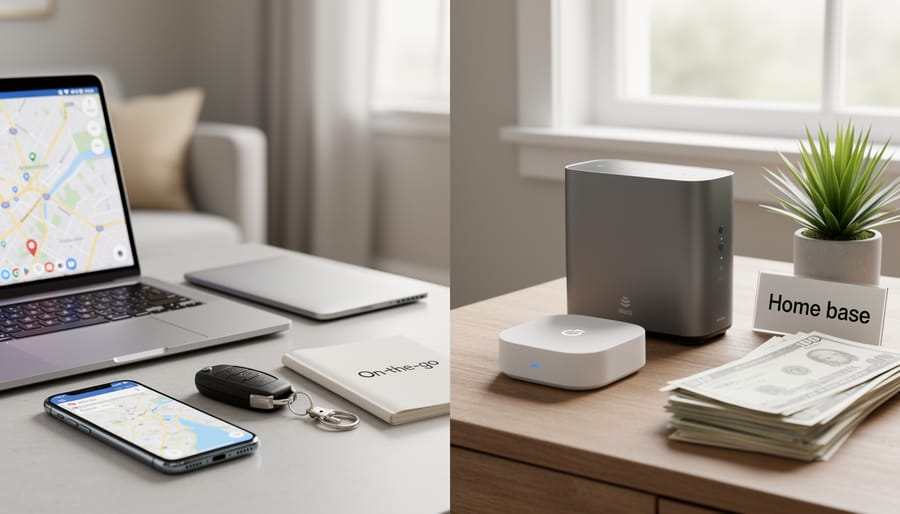
Datacenter Proxies
Datacenter proxies originate from commercial data centers rather than residential internet connections. They’re generated in bulk by server farms, which means they share IP address ranges that websites can identify and flag. You’ll pay much less, ProxyWing’s datacenter proxies start at just $0.87 per IP compared to residential options, and you’ll get noticeably faster speeds since there’s no routing through home networks.
The catch is detectability. Many websites actively block datacenter IP ranges because they’re commonly associated with bots and automated tools. If a site checks your IP against known datacenter lists, you’ll hit blocks or captchas quickly.
These proxies work well when speed matters more than stealth. Think tasks like monitoring your own web services, testing applications across different locations, or accessing content that doesn’t employ aggressive anti-bot measures. They’re also fine for personal browsing when you just want basic privacy without needing to appear as a residential user.
Avoid datacenter proxies for anything requiring you to look like a regular consumer: managing social media accounts, accessing geo-restricted streaming services, purchasing limited-release items, or scraping e-commerce sites. These scenarios need the legitimacy that only real residential IPs provide.
Which Type Fits Your Needs
Choosing the right proxy type comes down to what you’re actually trying to do. If you’re managing multiple social media accounts, running an online store with several profiles, or need to stay logged into the same sessions for hours or days, static residential proxies are your best bet. They give you the same IP address consistently, so platforms won’t flag your activity as suspicious when you log in repeatedly from the same location.
For large-scale web scraping, price monitoring across hundreds of sites, or sneaker drops where you need to submit thousands of requests quickly, rotating residential proxies work better. You’ll get a fresh IP for each request, making it nearly impossible for websites to track and block your activity based on request volume from a single address.
Datacenter proxies make sense when speed matters more than staying under the radar. If you’re working with websites that don’t actively block proxies, or you need lightning-fast connections for tasks like automated testing, datacenter options deliver better performance at lower cost. Just know they’re easier to detect, so they won’t work for platforms with strict anti-bot measures.
Key Factors When Choosing a Provider

Pricing Models Explained
Residential proxy providers use two main pricing models, and understanding them helps you avoid overpaying for features you don’t need. The per-gigabyte (bandwidth) model charges based on how much data you transfer through the proxies. EProxies offers residential traffic starting at $0.25 per GB, while ProxyWing charges $2.5 per GB. This approach works best if you’re making light, infrequent requests or need high rotation without massive data consumption. Each page load, API call, or scraping session uses bandwidth, so tasks that fetch lots of large files or media quickly rack up costs.
The per-IP rental model charges a flat fee for each IP address you rent, regardless of how much data you use through it. ProxyWing’s ISP Static proxies cost $1.8 per IP, and EProxies offers ISP SOCKS5 from $0.95 per IP. This pricing shines when you need consistent sessions with moderate to heavy data usage per IP. If you’re managing accounts that stay logged in, running bots with persistent connections, or doing deep research through the same address, per-IP rental delivers predictable costs and often better value than metered bandwidth.
For heavy, unpredictable usage, unlimited plans remove the calculation anxiety entirely. EProxies offers unlimited plans from $79 per month, giving you flat-rate access without monitoring gigabytes or counting IPs. These make sense when your data consumption exceeds what you’d pay on metered plans, or when billing predictability matters more than squeezing out the lowest per-unit cost.
Speed and Performance
Residential proxies route your traffic through real home internet connections, which means they’re generally slower than datacenter proxies that run on high-speed server infrastructure. Expect response times of 1-3 seconds for residential IPs compared to under a second for datacenter options. This speed difference happens because you’re borrowing bandwidth from actual households with varying connection quality.
The metrics that matter most are response time (how quickly the proxy connects to your target site) and bandwidth speed (how fast data transfers once connected). If you’re scraping thousands of pages per hour, even an extra second per request adds up significantly. For tasks like managing a few social media accounts or accessing geo-restricted content occasionally, these slower speeds won’t noticeably impact your experience.
To determine if performance will work for your needs, consider your task’s time sensitivity. High-frequency trading bots or real-time bidding need datacenter speed. Web scraping product prices overnight or checking competitor sites a few times daily work fine with residential proxy speeds. Most providers offer trial periods or small starter packages, test with your actual use case before committing to a large plan. If pages load within 5 seconds and your workflow isn’t time-critical, residential proxy performance will be acceptable.
Geographic Coverage
Geographic coverage determines whether a proxy provider can actually serve your needs. If you’re trying to access region-specific content or conduct market research in particular countries, you need IPs from those locations. A provider with thousands of IPs worldwide sounds impressive, but it’s useless if they don’t cover your target region.
Check two things before committing: breadth (how many countries the provider covers) and depth (how many IPs they have in your specific target locations). A provider might claim global coverage but only have a handful of IPs in the country you need, leading to overused addresses that websites flag more easily.
For specialized regional needs, look for providers with strong presence in your target area. For example, if you need Canadian IPs specifically, services like CyberYozh offer dedicated Canada residential ISP proxies with static IPs. This focused coverage often delivers better performance and lower detection rates than trying to use a global provider’s limited Canadian pool.
Most providers list their geographic coverage on their pricing pages. Don’t assume availability, verify your target countries are included, especially for less common locations outside North America and Western Europe.
Uptime and Reliability
Uptime matters because if your proxy connection drops during a logged-in session, you’ll get kicked out and might trigger security alerts when you reconnect with a different IP address. For static residential proxies especially, where you’re managing accounts or maintaining long browsing sessions, consistent availability prevents suspicious activity flags. Look for providers guaranteeing at least 99% uptime, anything lower means you’ll face regular disconnections that disrupt your work. Session persistence is equally important: your proxy should maintain the same IP address throughout your entire session without unexpected drops. This stability is why static residential proxies command higher prices than rotating ones; you’re paying for reliability that keeps your accounts safe and your tasks uninterrupted. Before committing to a provider, check whether they publish uptime statistics or offer service-level agreements, and read user reviews about connection stability rather than just focusing on speed or price.
IP Pool Size
A larger IP pool gives you more unique addresses to work with, reducing the chance you’ll reuse the same IP and trigger detection. When hundreds or thousands of requests come from a small set of IPs, websites notice the pattern and start blocking. A bigger pool means each request can use a different address, mimicking natural traffic from many individual users.
Evaluating pool size takes some skepticism. Providers often advertise millions of IPs, but what matters is how many are available in your target locations and how frequently they refresh. Ask specific questions: How many IPs do you have in the countries I need? How often do you rotate addresses? Can I get consecutive fresh IPs without repeats? Real providers with genuine residential partnerships will answer these clearly. Vague claims about “millions of IPs worldwide” without geographic breakdown or rotation details deserve scrutiny.
For most use cases, a few thousand consistently available IPs in your target region beats ten million stale or geographically useless addresses.
Connection Protocols
Most residential proxy providers support HTTP and HTTPS protocols, which handle standard web browsing and secure connections. These work for most everyday tasks like accessing websites and scraping content. SOCKS5 is a more advanced protocol that routes all types of internet traffic, not just web requests. It works with applications beyond browsers, like email clients, torrent programs, and gaming platforms. SOCKS5 also handles authentication better and supports UDP connections, making it the flexible choice for technical users running specialized software or multiple applications through the same proxy connection.
Recommended Providers for Different Needs
Best Value for Bandwidth Pricing
EProxies leads the bandwidth pricing category with residential traffic starting at just $0.25 per gigabyte, one of the lowest rates you’ll find for legitimate residential proxies. This pay-as-you-go model works best when you need rotating IP addresses for high-volume tasks like web scraping, price monitoring, or market research where you’re pulling data from hundreds or thousands of pages. You only pay for the bandwidth you actually consume, which keeps costs predictable even as your usage scales up. If your project requires constantly changing IP addresses to avoid detection and you can estimate your data consumption, this pricing structure typically saves money compared to per-IP rental fees. The model makes less sense for static sessions or low-bandwidth tasks where you’d be better off with a fixed IP rental.
Best Per-IP Rental Options
When you need a consistent IP address for logged-in sessions or multi-account management, per-IP rental pricing makes more financial sense than paying for bandwidth you won’t use. These plans give you a dedicated residential IP that stays the same for your entire rental period.
EProxies ISP SOCKS5 proxies start at $0.95 per IP, making them the most budget-friendly option for static residential access. The SOCKS5 protocol adds flexibility for applications beyond web browsing, while the residential ISP IP space keeps your connections looking legitimate to platforms that might flag datacenter addresses.
ProxyWing’s ISP Static proxies run $1.8 per IP. Though pricier than EProxies, they’re still significantly cheaper than bandwidth-based plans if you’re maintaining long sessions without heavy data transfer. Both providers deliver the key advantage of static residential proxies: you can stay logged into accounts, build trust with platforms over time, and avoid the session interruptions that come with rotating IPs.
This pricing model shines for managing social media accounts, running e-commerce stores, or any task where your IP address needs to remain constant. You’ll pay a flat monthly fee per IP rather than worrying about data consumption.
Best for Unlimited Usage
EProxies unlimited plans start at $79 per month and remove the guesswork of bandwidth pricing. If you’re running high-volume tasks like continuous scraping, automated monitoring, or managing dozens of accounts, unlimited plans eliminate the risk of surprise bills and let you use as much data as you need without watching the meter. The sweet spot for these plans is predictable heavy usage, if you consistently burn through 300+ GB monthly on a per-gigabyte plan, unlimited quickly pays for itself. To evaluate if it makes financial sense, estimate your typical monthly data consumption: divide the $79 plan cost by your expected gigabyte usage to calculate your effective per-GB rate. If that number beats standard bandwidth pricing and you won’t constantly worry about overages, unlimited delivers both cost savings and peace of mind for data-intensive operations.
Datacenter Budget Option
If speed matters more than authenticity and you’re working on tasks where getting blocked isn’t a major concern, ProxyWing’s datacenter proxies start at just $0.87 per IP. These aren’t residential IPs, they come from data centers, so websites can spot them more easily, but they deliver faster connection speeds at a fraction of the cost. They work well for basic automation, testing environments, or situations where you need quick responses and the target sites don’t aggressively filter datacenter traffic. Just know the trade-off: you’re sacrificing the residential cover for speed and savings, so they’re not suited for sneaker drops, account management, or anything requiring stealth.
Geographic-Specific Options
Sometimes you need a residential proxy from one specific country, and not just any provider will do. If you’re targeting Canadian geo-restricted content, managing local accounts, or scraping region-specific data, you want a provider with genuine Canadian ISP addresses.
CyberYozh offers Canada residential ISP proxies with static IP SOCKS5 support, designed specifically for this market. Their service includes flexible rental terms, letting you pay for exactly the duration you need rather than committing to a full month upfront. The company markets these proxies as delivering reliable access with no blocks, which matters when you’re dealing with Canadian platforms that aggressively filter non-residential traffic.
The SOCKS5 protocol support gives you broader compatibility with different applications beyond just web browsers. This makes these proxies useful for tools that don’t work well with standard HTTP proxies.
Location-specific providers like this solve a real problem: major residential proxy networks might offer “global coverage” but have weak presence in certain countries, giving you slow speeds or limited IP variety in your target region. A specialized provider focuses their entire infrastructure on serving that specific market well, often with better performance and fewer detection issues than spreading thin across 190+ countries.
Common Mistakes to Avoid
Choosing the Wrong Proxy Type
The biggest mistake beginners make is pairing the wrong proxy type with their task. If you’re managing multiple social media accounts or e-commerce profiles, rotating proxies will trigger constant security checkpoints because platforms see a different IP address with every login. You’ll spend hours verifying your identity instead of getting work done. Static residential proxies solve this by maintaining the same IP for each account, exactly like a real user logging in from home.
The opposite problem wastes just as much money. Using static IPs for large-scale web scraping means you’re paying per-IP rental fees when you need hundreds or thousands of different addresses. A single static proxy costs around $1-$2 per month, so scraping 10,000 product pages would require an absurd budget. Rotating proxies charge by bandwidth instead, making high-volume data collection affordable.
Match your proxy type to your actual use case before you buy. Static for consistency and logged-in sessions, rotating for volume and variety, datacenter for pure speed when detection doesn’t matter. Getting this right saves both money and frustration.
Ignoring Bandwidth Limits
If you choose a per-gigabyte plan, track your data usage closely. One gigabyte disappears faster than you’d expect: streaming video through a proxy, downloading large files, or running automated scrapers can burn through bandwidth in hours. Most providers offer dashboards showing real-time consumption, so check it regularly during your first week to understand your actual usage patterns. Start with a smaller package and scale up once you know your needs. Running out mid-project wastes time, but vastly overbuying per-GB credits wastes money. If you consistently hit limits, switching to an unlimited plan like EProxies’ $79/month option might save you money and stress.
Overlooking Geographic Coverage
Not every residential proxy provider offers IPs from every country or city you might need. Geographic coverage varies widely, and assuming your target location is available can derail your entire project after you’ve already paid.
Before you commit to a provider, check their location list carefully. If you need to appear as if you’re browsing from Toronto or accessing content restricted to Germany, confirm those specific locations are in their IP pool. Some providers focus heavily on certain regions while barely covering others. For example, if Canada is essential for your task, you’d want to verify availability, CyberYozh specifically offers Canada residential ISP proxies, but not all providers do.
This matters most for geo-specific tasks like accessing region-locked streaming services, verifying local search results, or managing location-based accounts. Don’t discover the coverage gap after purchase when your proxies can’t deliver the geographic authenticity you need.
Skipping Compliance Checks
Most proxy providers explicitly prohibit using their services for illegal activities, harassment, or accessing protected systems without authorization. Before you sign up, read the acceptable use policy carefully. If a provider bans activities like credential stuffing, account takeover attempts, or bypassing paywalls on copyrighted content, violating those terms can get your account suspended and your payment forfeited.
Beyond provider rules, consider the legal implications in your jurisdiction. Using proxies to scrape public data for market research is generally fine, but accessing restricted systems, evading authentication, or harvesting personal information can cross legal lines. When in doubt, consult the website’s terms of service you plan to access and verify your use case complies with local laws.
Ethical use protects both you and the residential proxy ecosystem. Misuse damages the reputation of legitimate services and can lead to residential IP pools getting blacklisted, hurting everyone who relies on them for lawful purposes.
Getting Started: Your First Steps
Once you’ve chosen a provider that matches your needs, follow these steps to get up and running:
Start with a small plan to test the service. If you’re considering EProxies’ residential proxies at $0.25/GB, purchase just a few gigabytes first. For static options like ProxyWing’s ISP proxies at $1.8/IP, rent a single IP. This low-risk approach lets you verify performance and compatibility before committing to larger packages.
After signing up, you’ll receive connection credentials: an IP address or hostname, port number, username, and password. Most providers deliver these through your account dashboard or email within minutes. Save these details somewhere secure, as you’ll need them for configuration.
Next, configure your application or browser to use the proxy. The setup process varies depending on what you’re using. Web browsers typically have proxy settings in their network preferences where you enter the host, port, and authentication details. For automated tasks, you’ll configure your script or tool to route traffic through the proxy server. If you’re working with command-line tools to manage network connections or implementing SSH over HTTP you’ll add proxy parameters to your connection commands.
Test your connection immediately. Visit a site that displays your IP address to confirm the proxy is working and showing the correct location. Run a few typical requests for your use case. If you’re scraping or automating tasks, start with Jupyter for testing simple workflows before scaling up. Watch for errors or slow response times.
Monitor your usage closely during the first week. Check how much bandwidth you’re consuming against your plan limits. This helps you right-size your package and avoid unexpected charges. If you’re debugging with Python scripts, add logging to track which requests succeed and fail.
Most providers offer some form of support for setup questions. Don’t hesitate to reach out if you encounter configuration issues. Getting the initial setup right saves frustration later.
Choosing the right residential proxy server doesn’t have to be overwhelming. The decision comes down to three straightforward steps: match the proxy type to your specific use case, understand which pricing model fits your usage pattern, and start with a small plan before scaling up.
If you need consistent sessions for account management, static residential proxies are your answer. For large-scale scraping or tasks requiring IP variety, rotating residential proxies make sense. Budget-conscious users doing speed-critical work where detection isn’t a concern can consider datacenter options. Once you’ve identified your proxy type, compare whether per-gigabyte or per-IP pricing saves you money based on your expected data usage.
The beauty of residential proxy servers is their flexibility and power when chosen correctly. You now understand how they work, what separates different types, which providers offer competitive pricing, and how to avoid common pitfalls. Like any tool, there’s a learning curve as you learn new tech but the fundamentals we’ve covered give you everything needed to make an informed choice. Start small, test your chosen provider with a basic plan, and adjust based on real-world performance. You’re ready to find the residential proxy solution that fits your needs.
Frequently Asked Questions
What’s the difference between residential and datacenter proxies?
Residential proxies use real IP addresses assigned by internet service providers to actual homes, making your traffic appear like a regular person browsing. Datacenter proxies come from commercial data centers and are faster and cheaper but easier for websites to detect and block since they don’t originate from residential networks.
Are residential proxies legal?
Yes, residential proxies themselves are legal tools used for legitimate purposes like market research, price comparison, and accessing content available in your region. However, how you use them matters, violating a website’s terms of service, bypassing paywalls without permission, or engaging in fraudulent activity is not legal regardless of the tool you’re using.
How much bandwidth do I really need?
Your bandwidth needs depend entirely on your use case. Light browsing or managing a few social media accounts might only require 5-10 GB per month, while web scraping thousands of pages could consume 50-100 GB or more. Start with a smaller plan and monitor your actual usage for the first month before committing to larger packages.
Can I use residential proxies for streaming?
Yes, residential proxies work for streaming services since they make your connection look like it’s coming from a real home in whatever location you choose. For smooth playback, you’ll want a static residential proxy rather than a rotating one to maintain a consistent connection throughout your viewing session.
What’s a static residential proxy?
A static residential proxy gives you the same residential IP address for as long as you rent it, combining the authenticity of a residential IP with the consistency of a dedicated connection. This makes them perfect for tasks requiring logged-in sessions like managing social media accounts or any activity where constantly changing IPs would trigger security checks.
Why are residential proxies more expensive than datacenter proxies?
Residential proxies cost more because providers must partner with real internet service providers or compensate actual homeowners who share their bandwidth, creating genuine residential IP addresses. Datacenter proxies are simply servers in a facility that providers own or rent in bulk, making them much cheaper to operate at scale.
Beyond these common questions, new users often wonder about setup complexity. Most residential proxy providers offer straightforward configuration, you’ll typically receive proxy credentials (IP address, port, username, password) that you enter into your browser, software, or application. Many providers also offer browser extensions or desktop apps that simplify the process even further, so you won’t need technical expertise to get started.
Another frequent concern revolves around switching providers if your first choice doesn’t work out. The good news is that residential proxy services typically operate on monthly billing without long-term contracts, giving you flexibility to test different providers and find the best fit for your specific needs. If a provider’s speed, location coverage, or IP quality doesn’t meet your requirements, you can simply switch at the end of your billing cycle without penalty.
People also ask whether they can share residential proxy access with team members. Most providers allow multiple users to connect using the same proxy credentials, though connection limits and pricing vary. Some services charge per IP or per gigabyte regardless of how many people use it, while others have user limits or offer team plans. Check your provider’s terms before sharing access to avoid service interruptions or unexpected charges.